When homeowners ask to define a warranty, the simplest definition is a promise: if something fails under stated conditions, the company will repair, replace, or otherwise make it right. Solar usually combines several promises at once—some tied to equipment, and one tied to installation quality.
First is the equipment warranty from the panel brand or inverter brand, covering defects in the product itself. Second is a performance guarantee that describes how much output the panels should still produce after a certain number of years. Third is the warranty for workmanship provided by the installer, covering the labor and methods used to design and build the system on your house.
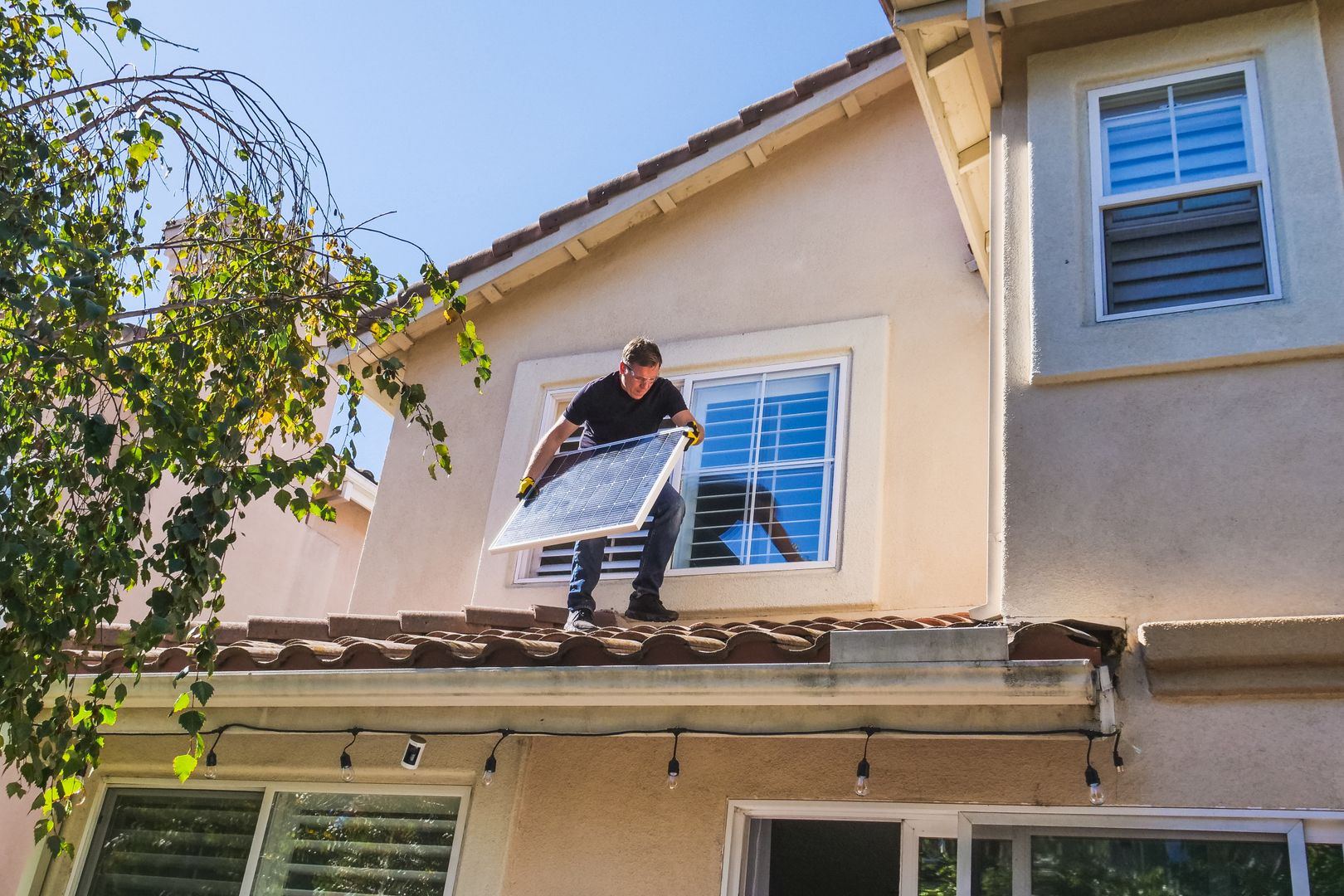
If a panel stops producing because of an internal defect, that is typically handled through the equipment brand's process. If you develop a roof leak at a mounting point because flashing was installed incorrectly, that is the installer's workmanship responsibility. The practical difference is who shows up to fix the problem and who pays for the labor.
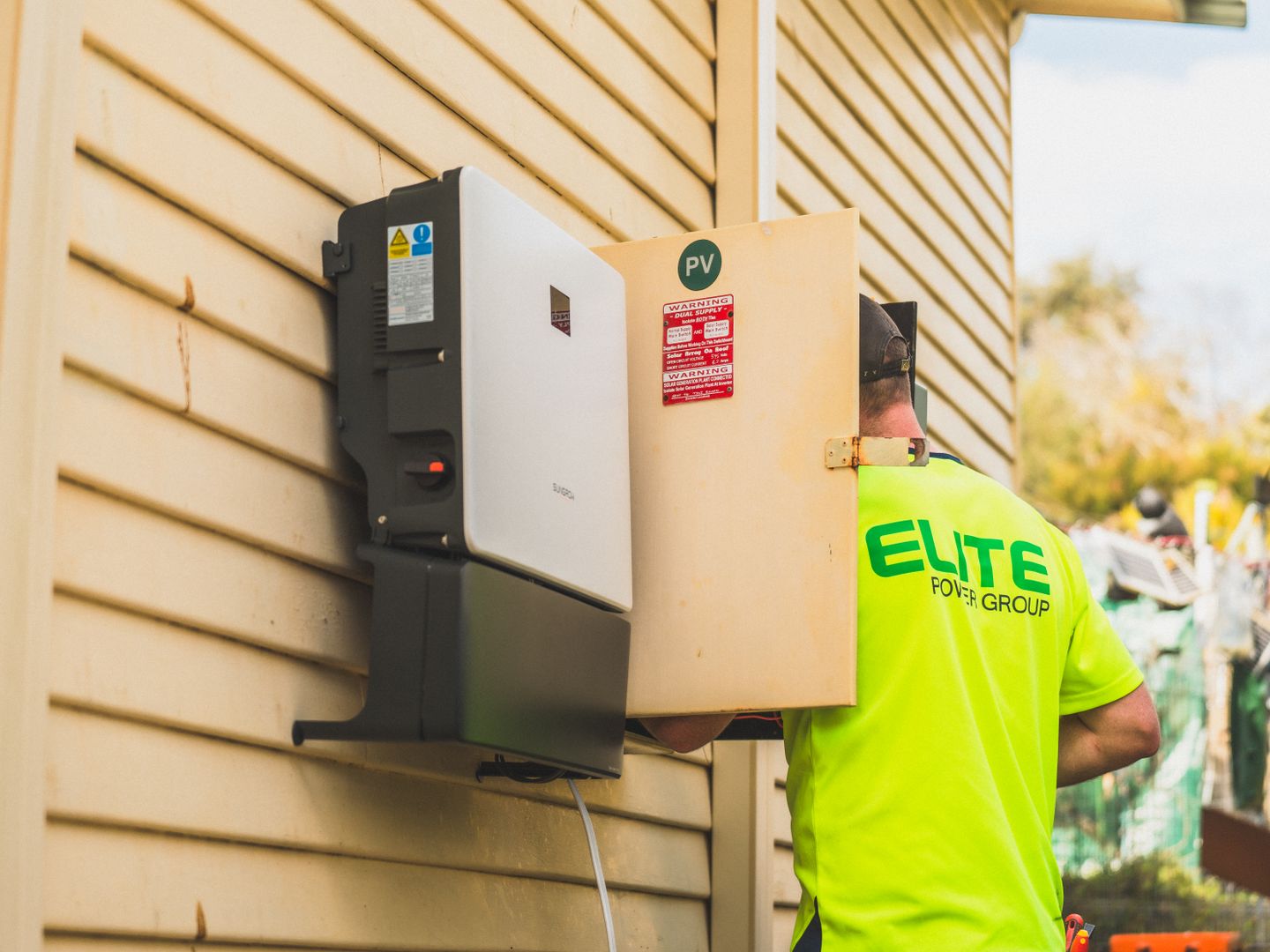
Some installers also include troubleshooting and labor for swapping faulty parts that are covered by an equipment warranty. You still get the replacement part through the equipment brand, but the installer handles the labor. Other installers cover only labor tied to the original installation and charge service-call fees after a short adjustment period.
Many workmanship warranties do not cover damage from extreme weather events, third-party roof work, pest damage, homeowner renovations that affect the array, or changes required by new codes after the system was legally permitted. They also commonly exclude cosmetic issues, normal sealant aging beyond the stated warranty term, and any problem caused by someone other than the original installer touching the system.
Some contracts exclude roof materials entirely and cover only the solar mounts; others cover leak repairs but not interior drywall or paint. The goal isn't to find a warranty with zero exclusions; it's to know the boundaries so you can make smart decisions about roof condition, future renovations, and who you call first if something happens.