Skip to content

Residential Solar Panel Systems Overview

mm Marcus Brennan 12 min read

Understanding Residential Solar Systems

Quick Reference

Six Essential Solar Takeaways

  • Size your system from actual annual kWh usage and your roof's sun exposure, not guesswork or generic estimates.
  • In 2026, most quoted panels fall in the 400–460 watt range, so fewer modules cover the same energy target.
  • The federal Residential Clean Energy Credit is 30 percent for systems placed in service from 2022 through 2032.
  • Grid compensation rules are changing in some states; understanding how exports are valued matters as much as total production.
  • Financing choice—cash, loan, or ppa solar—can change your total savings more than a small difference in panel efficiency.
  • A clean install with clear documentation—permits, inspection, interconnection approval, warranties—protects you long after installation day.
Request Free Assessment

How Solar Components Work Together

A residential solar power systems layout is simple in concept: panels on the roof produce direct-current electricity; an inverter converts it to the alternating current your home uses; your main electrical panel distributes it; and a bidirectional meter measures what you import from, and export to, the grid.

Many modern systems also include module-level electronics that help manage shading and improve monitoring detail, plus a monitoring app that makes production and consumption visible in plain English. The result is a straightforward energy loop that operates automatically once it's commissioned.

System sizing starts with your actual usage. The U.S. Energy Information Administration's published figure for the average annual electricity sold to a residential utility customer in 2022 was 10,791 kWh—about 899 kWh per month. That's a useful benchmark, but your home could be far above or below it depending on climate, square footage, and whether you have an EV, electric dryer, pool equipment, or electric heat.

When SolarPath Home Energy Solutions runs a design, we typically ask for 12 months of bills so we can separate seasonal spikes from baseline usage—and then we talk about what might change over the next five to ten years, like a second EV, a new HVAC system, or a home addition. The best designs plan for your life, not just last month.

From there, production is driven by sun exposure and the production ratio your location and roof orientation support. A helpful way to think about it is annual kWh per installed kW. In northern climates, a common ballpark is around 1,200 kWh per kW per year, while sunnier areas can reach roughly 1,500 kWh per kW per year.

If you prefer something concrete, PVWatts examples often land in the midrange; one widely shared example yields about 1,365 kWh per year for a 1 kW system. That means an 8 kW residential solar system might reasonably target around 10,900 kWh in year one in a midrange scenario—before you account for shading, roof complexity, or an intentionally conservative design.

Panel choice in 2026 is less about does this panel work and more about fitting constraints. The Department of Energy's benchmark assumptions use a representative 400-watt module, but real-world quotes frequently show higher outputs. On major marketplaces, most homeowners are seeing 400+ watt panels in quotes, and 440-watt panels are commonly used for planning examples.

Higher wattage doesn't automatically mean a physically larger panel; in many cases it reflects improved cell efficiency in a similar frame size. The practical homeowner takeaway is this: if roof space is tight, higher-output panels can be a straightforward way to hit your energy target with fewer modules—while still keeping the layout clean and visually balanced.

Designing Your System to Fit Your Roof

Image

System Layout

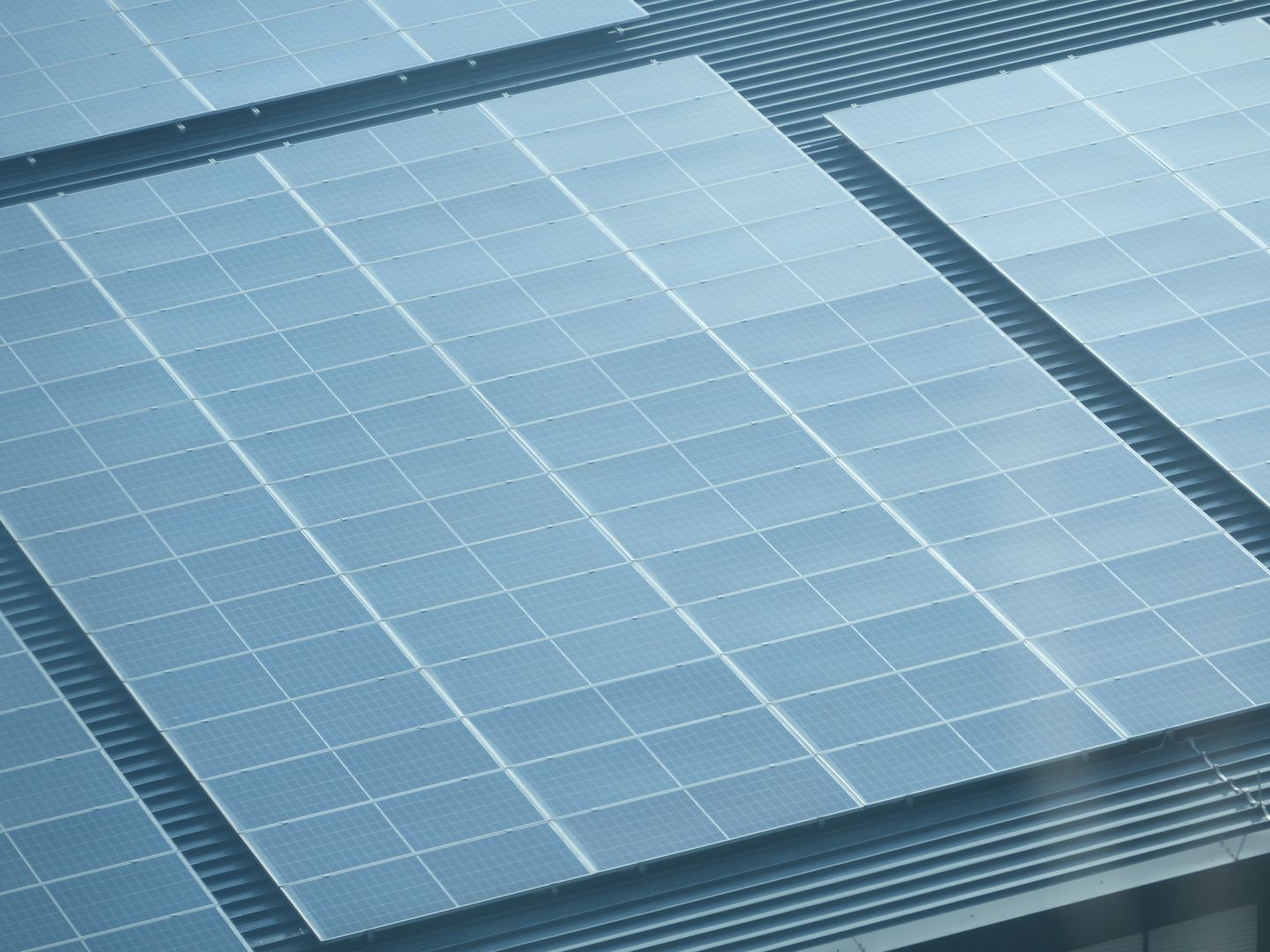
The inverter decision is where residential solar systems become less one-size-fits-all. If your roof has multiple faces—east and west, for example—chimneys, trees, or dormers, you'll want a design that deals gracefully with partial shade and varied orientations. A good proposal will show the panel layout, the estimated month-by-month production, and any known shading losses. It should also be honest about electrical constraints—like whether your main panel needs an upgrade, or whether a line-side connection is planned.

Grid Compensation and Rate Structures

Understanding how your utility credits exports is one of the biggest fine-print items in a solar purchase.

Export Credits Matter as Much as Production

Compensation for exporting surplus energy is one of the biggest fine-print items in a residential solar system purchase. Some utilities still credit exports close to the retail rate, while others use a net billing structure that pays a different value for energy sent to the grid. California is the headline example: since April 15, 2023, most new interconnection applications have been served under the Net Billing Tariff—often called NEM 3.0—where export credits reflect a value-based rate rather than the full retail rate. The practical result is that solar still makes sense for many households, but system design is more load-focused: shifting usage to sunny hours, adding a battery in some cases, and avoiding oversizing that creates a lot of low-value exports. A trustworthy installer will model your utility's actual tariff, not just apply a generic national rate. Make sure your proposal explains exactly how your utility values exports and whether time-of-use pricing makes midday energy more or less valuable for your rate plan.

Check Your Utility

What a Good Proposal Includes

If you want a simple way to compare proposals for residential solar panels without getting lost in technical jargon, use this checklist to evaluate every quote you receive.

Request Free Assessment
  • Design matches your last 12 months of kWh and expected future changes
  • Panel layout and shading assumptions clearly shown and explained
  • Equipment model numbers and warranty terms stated clearly
  • Actual utility tariff modeled, including time-of-use and export credits
  • Permitting, inspection, and interconnection steps with assigned responsibility
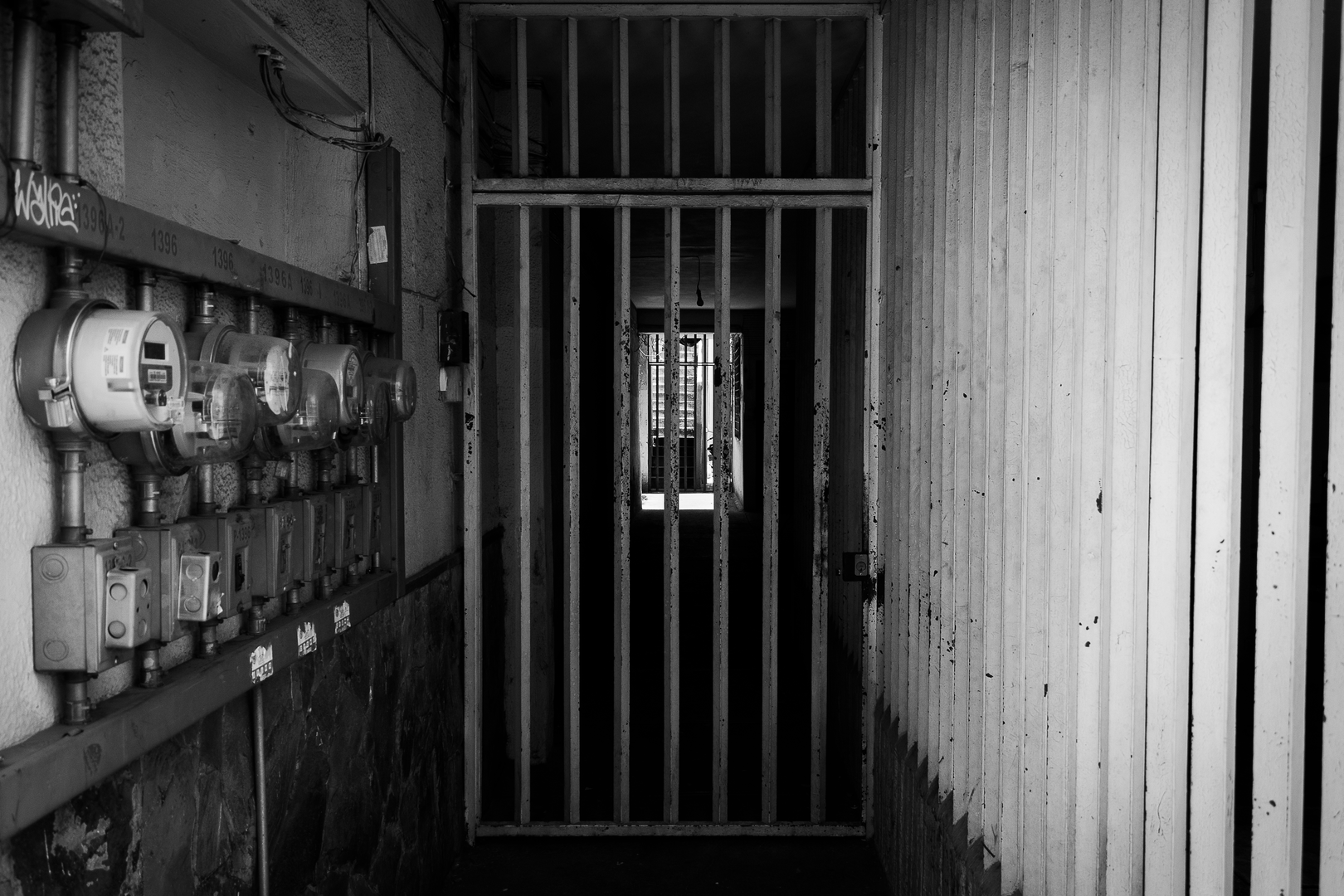
Residential solar meter measuring grid import and export
Bidirectional meter measures what you import from, and export to, the grid

System Size and Cost Examples

System Size Panel Count Estimated Annual Output System Cost Annual Bill Offset
5 kW 12 ~6,800 kWh/year ~$12,900 ~$1,020/year
8 kW 19 ~10,900 kWh/year ~$20,640 ~$1,640/year
12 kW 28 ~16,400 kWh/year ~$30,960 ~$2,460/year

Examples use 440-watt panels, midrange production scenario, and $0.15/kWh rate before incentives. Actual savings depend on your utility tariff and export rules.

Three Paths to Pay for Solar

Cash Purchase

Paying cash—or using a home-equity option—often yields the highest lifetime savings because you avoid lender fees and interest. You receive the full federal Residential Clean Energy Credit directly when filing taxes for the year the system is placed in service. Many states, utilities, and local programs add rebates or performance incentives on top, but they vary widely by zip code, so it's smart to treat them as bonus until you see them documented. The upfront cost is higher, but total cost of ownership over the system's life is typically the lowest of all financing paths, and you own the equipment outright from day one.

Solar Loan

A solar loan can still pencil out well, especially if the monthly payment is close to—or below—your current bill. You'll want to look closely at total financed cost and any dealer fees baked into the contract. The federal tax credit still applies and you own the system, but interest adds to the total amount paid over the loan term. Compare effective annual percentage rate, origination fees, and prepayment penalties. A well-structured loan lets you start saving immediately on your electric bill while spreading the purchase over several years, and many loans are designed so the monthly payment plus reduced utility bill equals or beats your old bill.

Solar PPA

Then there's ppa solar, which is fundamentally different: a third party owns the equipment and sells you the electricity it produces at an agreed price. Solar power purchase agreements often run ten to twenty-five years, and they can make sense for homeowners who want lower up-front cost and prefer that someone else handles performance and maintenance responsibilities. The trade-off is that the third party typically receives tax credits and some incentives, and you'll want to understand escalators—annual price increases—buyout terms, and how home resale is handled. Total savings are usually lower than cash or loan, but the barrier to entry is much lower.

Federal Incentives and State Programs

The federal Residential Clean Energy Credit remains the backbone incentive for most homeowners, with many states adding rebates on top.

Tax Credits and Local Rebates

The federal Residential Clean Energy Credit is 30 percent for systems placed in service from 2022 through 2032, then steps down to 26 percent in 2033 and 22 percent in 2034, and expires for systems placed in service after 2034 unless renewed. The credit applies to eligible installed costs, and homeowners typically claim it when filing federal taxes for the year the system is placed in service.

Many states, utilities, and local programs add rebates or performance incentives on top of the federal credit, but they vary wildly by location and change frequently. Some programs offer upfront rebates that reduce your out-of-pocket cost immediately, while others provide performance-based incentives paid over time as your system generates energy. It's smart to treat state and local incentives as bonus until you see them documented in your specific zip code.

How you pay matters as much as sticker price. In 2026, nationwide quote data commonly clusters around a few dollars per watt for residential solar panels installed, with system size affecting the per-watt price. One widely cited 2026 snapshot for an average 12 kW system is about $30,505 before incentives, which equates to roughly the mid-two-dollar-per-watt range for that size.

Maintenance is usually modest, but it's not zero. Panels are durable and have long performance warranties—commonly 25 years—and many systems are still producing meaningful energy beyond that. Degradation is real but slow; a common rule of thumb is that many panels still produce at least about 80 percent of their original output after 25 years, which aligns with how many performance warranties are written.

Inverters and batteries have different lifespans and warranty terms than panels, so the warranty packet matters. On the cost side, some homeowner guidance cites maintenance planning costs on the order of a few dozen dollars per installed kW per year; it's not a bill you always pay annually, but it's a useful planning figure for occasional service calls, monitoring support, or an inverter replacement down the road.

There are also a few common mistakes that turn a great technology into a frustrating experience. Oversizing without a plan for exports is one; on certain tariffs, extra exported kWh may be credited at a much lower value than what you pay for imported electricity, stretching payback. Ignoring roof condition is another; if your roof is near end-of-life, it's usually smarter to address it before panels go on.

Many homeowners underestimate electrical scope: a main panel upgrade, a service upgrade, or a trench run to a detached structure can be a meaningful part of the total cost, and it should be discussed early. A proposal that glosses over these items may look cheaper on paper but will hit you with change orders later, so transparency up front saves stress down the road.

Most projects follow a predictable sequence, and knowing it helps you spot unrealistic promises. First is a site assessment and shade review, followed by an electrical evaluation. Second is a detailed design with a production estimate and a clear scope of work. Third is permitting and utility interconnection paperwork. Fourth is installation, often completed quickly once materials are on site, followed by inspection. Fifth is utility approval to operate, after which monitoring is turned on and your system begins normal operation.